


Transport dogs safely using a harness, crate, or carrier. Start with short trips to reduce stress. Travel as needed with breaks, water, and comfort. Main benefits: safer travel and less stress.
Travelling with your dog can be one of life’s simple joys. Whether you’re heading to the park, visiting family, or planning a holiday, bringing your dog along makes the journey more enjoyable. But many owners still wonder how to transport a dog safely, legally, and comfortably in a car.
Dog travel in car situations should never be an afterthought. Just like humans, dogs need proper safety, comfort, and preparation when travelling. Without the right setup, journeys can become stressful for both you and your pet.
This guide explains the safest way for a dog to travel in a car in the UK, how to prepare your dog, and practical tips to make travelling with dogs in a car easier every time.
Why Safe Dog Travel Matters
Driving with dogs is common across the UK, but many owners overlook safety. An unrestrained dog can distract the driver, move around suddenly, or become injured during sudden braking.
The UK Highway Code states that animals must be suitably restrained while travelling in a vehicle. This protects both the dog and everyone inside the car.
Safe transport isn’t only about legality. It reduces anxiety, prevents injuries, and helps your dog associate car journeys with positive experiences.
Understanding the Safest Way for a Dog to Travel in a Car in the UK
There isn’t one single solution that works for every dog. The safest method depends on size, temperament, and journey length.
Common safe travel options include:
- Dog seat belt harness
- Travel crate or carrier
- Boot guard with dog harness
- Dog car seat for small breeds
A secured crate is often considered the safest way for a dog to travel in a car in the UK, particularly for longer journeys. It limits movement and creates a familiar, den-like space.
Preparing Your Dog Before the Journey
Preparation makes a huge difference. Many travel problems happen because dogs are introduced to car travel too quickly.
Start with short journeys to help your dog build confidence. Allow your dog to explore the car while parked reward calm behaviour with treats and praise.
Before travelling with dogs in a car, ensure your dog has had a walk. A tired dog is usually calmer and more relaxed during travel.
Avoid large meals immediately before the journey to reduce the risk of motion sickness.
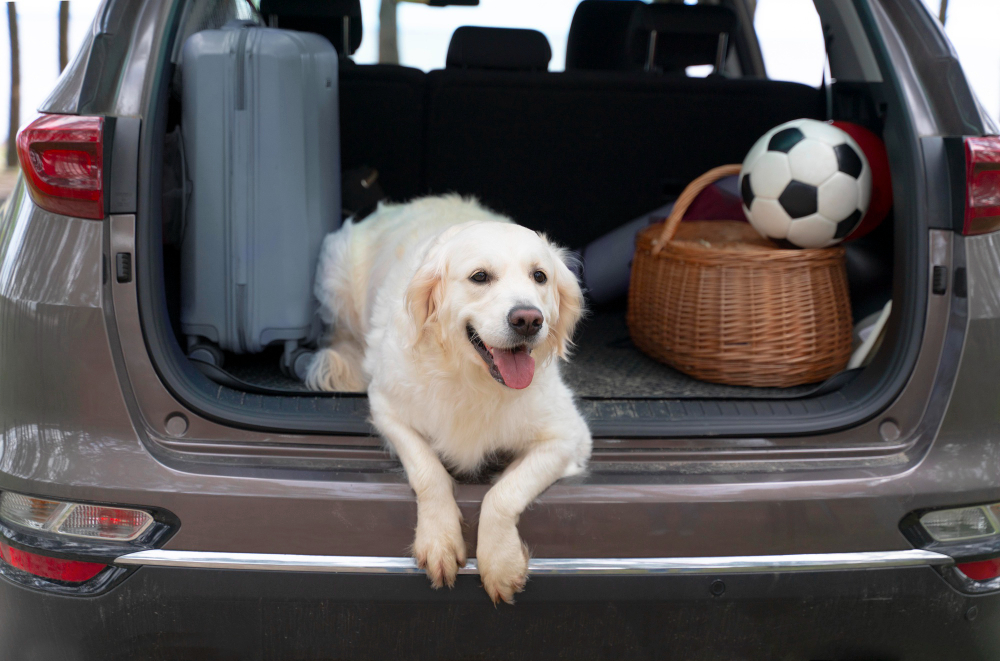
How to Transport a Puppy in a Car
Puppies require extra care because everything is new to them. Early car experiences shape future behaviour.
When learning how to transport a puppy in a car, start with a secure carrier or crate. Keep journeys short and positive. Speak calmly and reward relaxed behaviour.
Consistency is key. Regular short trips help puppies understand that the car is safe and normal.
Choosing the Right Travel Equipment
Selecting suitable equipment depends on your dog’s size and behaviour. A harness works well for calm dogs, while crates are ideal for anxious or energetic pets.
Important features to look for include strong materials, proper ventilation, secure attachment points, and enough space for your dog to sit and turn comfortably.
For small dogs, a booster seat can improve comfort while keeping them restrained. Larger dogs often travel best in the boot with a guard and harness.
Tips for Driving With Dogs Safely
Driving with dogs requires small adjustments to your routine. Keeping your dog calm and secure helps you focus on the road.
Simple travel tips include:
- Keep windows partially closed to prevent jumping
- Never allow dogs on the driver’s lap
- Carry water for longer journeys
- Take regular breaks for the toilet and exercise
- Maintain a comfortable temperature
Consistency helps your dog feel safe. Over time, travel becomes routine rather than stressful.
How to Calm a Stressed Dog in the Car
Some dogs love car journeys, while others become anxious. Recognising stress signs such as panting, whining, drooling, or pacing is important.
Learning how to calm a stressed dog in the car starts with gradual exposure. Short trips, calm reassurance, and familiar blankets can help. Playing soft music may also reduce anxiety.
Avoid punishment. Instead, reward calm behaviour. In severe cases, professional advice from a vet or behaviourist may help.
Common Mistakes Owners Make When Transporting Dogs
Many problems come from simple mistakes. Allowing dogs to move freely inside the car is one of the most common. This increases distraction and injury risk.
Another mistake is only using the car for vet visits. This creates negative associations. Mixing in positive trips like park visits helps balance experiences.
Skipping breaks on long journeys can also increase stress and discomfort.
Long Journey Advice for Dog Travel in a Car
Long drives require extra planning. Dogs need hydration, toilet breaks, and opportunities to stretch.
Plan stops every two to three hours. Bring water, a lead, waste bags, and a familiar item such as a toy or blanket. Keeping routines consistent helps dogs remain calm.
Temperature management is critical. Never leave a dog alone in a parked car, even for a short time.
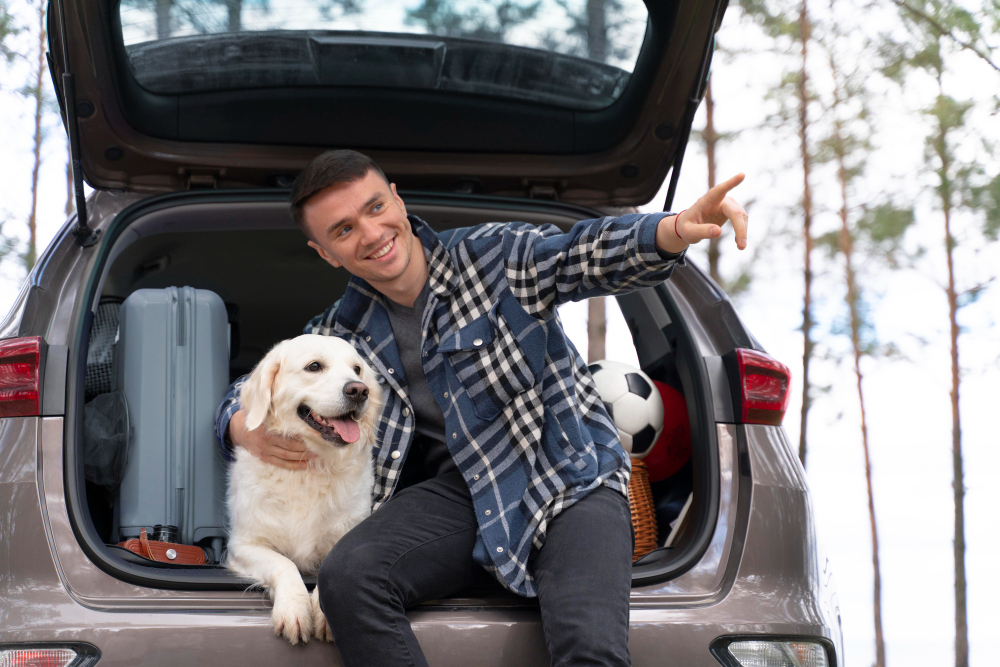
Legal Rules for Travelling With Dogs in a Car in the UK
UK law requires dogs to be properly restrained while travelling. Failure to do so can lead to fines and penalty points if it causes a distraction.
Approved restraint options include:
- Harness attached to seat belt
- Travel crate
- Dog guard
- Carrier
Following these rules ensures both safety and compliance.
Building Positive Travel Habits
Dogs learn through repetition. Positive travel habits make future journeys easier.
Create routines such as using the same travel equipment, offering treats after calm journeys, and maintaining a relaxed atmosphere. Dogs pick up on your emotions, so staying calm helps them relax.
Over time, your dog may begin to look forward to car journeys.
Special Considerations for Different Dogs
Older dogs may need extra cushioning and more frequent breaks. Nervous rescue dogs often need a slower introduction to car travel. Active breeds may require exercise before travel to prevent restlessness.
Each dog is different. Observing behaviour helps you adjust your approach.
A helpful resource many owners explore when learning how to transport a dog in a car is guidance from specialists, such as how-to guides that focus on practical travel safety solutions.
Conclusion
Understanding how to transport a dog in a car is essential for every dog owner. Safe travel protects your dog, reduces stress, and makes journeys more enjoyable. Whether you’re transporting a puppy, commuting daily, or planning a long road trip, preparation and proper restraint are key.
By choosing the right equipment, building positive experiences, and recognising stress signals, you can turn car journeys with your dog into calm, enjoyable routines. With consistency, patience, and the right setup, travelling with dogs in a car becomes simple and stress-free.
